
How to apply for a green card
Applying for a green card is the final step to becoming a lawful permanent resident. Individuals may only apply for a green card if an immigrant visa is available to them. There are immigrant visas available for certain categories of family members, employees, humanitarian reasons, and other special circumstances. Each category has their own requirements. When applying for a green card, the beneficiary must either adjust their status or go through consular processing. The two processes differ but both provide a pathway to getting a green card.
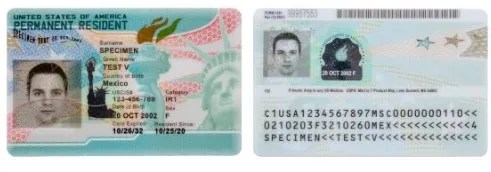

Adjustment of Status
If you are currently living in the US, you can usually apply for your green card by adjusting your status. This is a process that occurs entirely within the US and requires you to go through the United States Immigration and Citizenship Services (USCIS).
Step 1: Verify Eligibility
Before filing any paperwork, you and/or your attorney should always verify your eligibility. To be eligible for adjustment of status, you must:
- have lawfully entered the US;
- maintained your lawful status;
- currently live in the US; and
- you or your sponsor petitioned for an immigrant visa.
Step 2: Filing Adjustment of Status Form
The adjustment process starts by filing form I-485 with USCIS. This form requires you to answer various questions including questions on personal identification, criminal history, and immigration history. In addition, you must provide supporting evidence with your application. This typically includes (The following list only includes general requirements. You may need to submit additional information depending on your circumstances):
- two recent and identical passport-style photographs of yourself,
- a government-issued identity document with your photograph,
- a photocopy of your birth certificate,
- evidence of inspection and admittance or parole (such as copies of your passport or I-94),
- evidence you have maintained lawful status;
- evidence required under your immigration petition category (for family-based petitions, you must provide evidence of your family relationship),
- an affidavit of support, and
- your medical examination and vaccination record report (form I-693).
Step 3: Attend Biometrics Appointment
All applicants are required to attend a biometrics appointment. You will provide your fingerprints, photograph, and/or signature. The USCIS uses your information to verify your identification and conduct background and security checks.
Step 4: Attend USCIS Interview
Applicants are generally required to attend an interview. At these interviews, the officer will ask questions about you and your application. These interviews may last between 20 minutes to an hour depending on the complexity of the case. Make sure to bring your application package, including the required evidence along with personal identification.
Step 5: Wait for the decision
You have completed all necessary steps to adjust your status. The final step is to wait for a decision from USCIS. You can check your application status by using the case status tool found on the official USCIS website.
Consular Processing
For individuals living outside of the US, you must apply for your green card through consular processing. Unlike adjustment of status, consular processing takes place abroad at a US consulate or embassy. As a result, applicants will go through the Department of State’s (DOS) National Visa Center (NVC).
Step 1: Verify Eligibility
Similar to adjustment of status, you must petition for an immigrant visa. Once USCIS approves of your petition, USCIS will send your petition to the NVC.
Step 2: Respond to Requests from NVC
Once the NVC receives your case, they will contact you. You will receive information about how to access the Consular Electronic Application Center (CEAC) to view and manage your case. You will be required to pays fees to the NVC and respond to any requests for information. Next, individuals looking to sponsor an immigrant will be required to submit an affidavit of support (or form I-864) and provide financial documents. The sponsor must demonstrate that their income meets the threshold. An individual who becomes a sponsor means that they accept financial responsibility for the applicant.
Step 3: Complete Application Process
The next step is to complete form DS-260 found in your CEAC account. After completing this application, be sure to the confirmation page and bring it to your interview. You are also required to provide certain civil documents (this may include your birth certificate, marriage documents, passport photo, police records, court records, prison records, and military records). Then, you will be required to attend a medical examination. The physician will review your vaccination record and determine whether you have any communicable diseases.
Step 4: Attend Consular Interview
After completing the application, you will be required to attend a consular interview. The purpose of this interview is to determine whether you are eligible for to receive an immigrant visa. The officer will review and ask you about the information on your application. You must bring your appointment letter, valid passport, DS-260 confirmation page, sealed medical exam results, and original documents.
Step 5: Wait for Decision
Once you have completed your interview, you have completed the consular process. The NVC will inform you whether your application is approved or denied.